What is Voiding Difficulty?
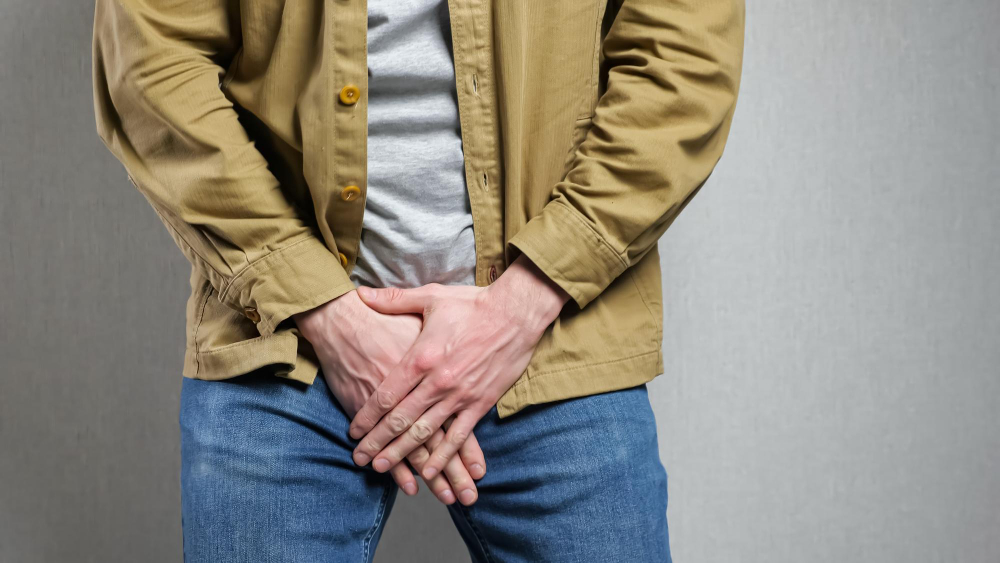
Voiding difficulty means having trouble urinating or emptying your bladder. Many people experience this problem at some point. Sometimes, it is called urination problems or trouble urinating. While it can affect anyone, it is more common in older adults. Voiding difficulty can make daily life uncomfortable. Therefore, it is important to understand what causes it and how to treat voiding difficulty.
Common Symptoms of Voiding Difficulty
People with voiding difficulty may notice several signs. For example, you might:
However, symptoms can vary from person to person. If you notice any of these signs, it is wise to pay attention and seek help if needed.
Causes of Voiding Difficulty
There are many possible causes of voiding difficulty. Some are simple, while others may need medical care. Common urinary retention causes include:
Sometimes, stress or anxiety can also make urination problems worse. But, it is important to find the exact cause for proper treatment.
How is Voiding Difficulty Diagnosed?
Doctors use several steps to diagnose voiding difficulty. First, they will ask about your symptoms and medical history. Next, they may perform a physical exam. Often, tests are needed to find the cause. These may include:
With these tests, doctors can better understand your trouble urinating and plan the right treatment. According to the CDC, early diagnosis helps prevent complications.
Treatment Options for Voiding Difficulty
Treatment depends on the cause of your voiding difficulty. However, many people find relief with simple steps. Common treatments include:
In some cases, surgery may be needed. But, most people improve with less invasive treatments. Always follow your doctor’s advice on how to treat voiding difficulty.
Lifestyle Tips and Prevention
While not all causes can be prevented, some lifestyle changes may help. For instance, you can:
With these steps, you may lower your risk of urination problems. Still, regular check-ups are important for early detection.
When to See a Doctor
Sometimes, voiding difficulty can signal a serious problem. You should see a doctor if you:
Early treatment can prevent further issues. Therefore, do not wait if you have these symptoms.
In summary, voiding difficulty can affect your quality of life. But, with the right care, most people find relief. Consult urology specialist Dr. Raghavendra Kulkarni for personalized advice on voiding difficulty.