
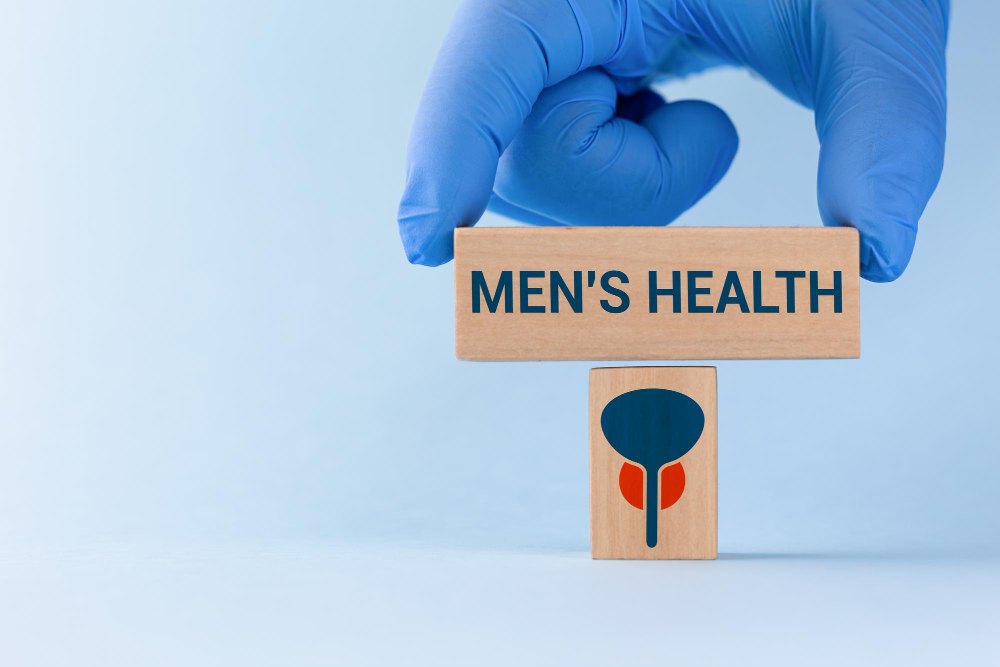
Introduction to Prostate Health and Its Importance
The prostate is a small gland found only in men. It helps make fluid for semen. Because it plays a key role in male health, keeping the prostate healthy is important. Many men worry about prostate problems as they age. For example, issues like prostate enlargement or cancer can affect quality of life. However, simple changes in diet and lifestyle can help support prostate health. In this blog, you will learn how diet for prostate health and lifestyle changes for prostate health can make a difference.
How Diet Influences Prostate Health
What you eat can affect your prostate. Some foods are good for prostate health, while others may raise risks. For instance, a diet rich in fruits and vegetables can help protect the prostate. These foods have vitamins, minerals, and antioxidants. Antioxidants help fight cell damage. On the other hand, eating too much red meat or processed foods may increase prostate problems.
In contrast, eating less sugar, salt, and fried foods can also help. Therefore, choosing a balanced diet for prostate health is wise.
The Impact of Lifestyle Factors
Besides diet, lifestyle choices matter for prostate health. For example, regular physical activity helps keep your weight in check. Being overweight can raise the risk of prostate issues. In addition, exercise improves blood flow and lowers stress. Smoking is harmful and may increase prostate cancer risk. Likewise, drinking too much alcohol can harm the prostate. Managing stress is also important, as high stress can affect hormones and health.
Because these lifestyle changes for prostate health are simple, anyone can start today.
Practical Tips for Improving Prostate Health
Making small changes can lead to big results. Here are some easy tips to help your prostate stay healthy:
Because these steps are simple, you can start with one or two and add more over time.
Prevention Strategies and When to Seek Medical Advice
Preventing prostate problems is easier than treating them. Therefore, regular check-ups with your doctor are important. Early detection of prostate issues can lead to better outcomes. If you notice symptoms like trouble urinating, pain, or blood in urine, see a doctor right away. In addition, men over 50 should talk to their doctor about prostate screening. Family history also matters, so share this with your healthcare provider.
Because prevention is key, do not wait for symptoms to appear before taking action.
Conclusion
In summary, diet and lifestyle have a big impact on prostate health. Eating the right foods and making healthy choices can lower your risk of problems. Remember, small steps can make a big difference. Consult Dr Raghavendra Kulkarni for personalized advice on prostate health.