What Are Kidney Stones?
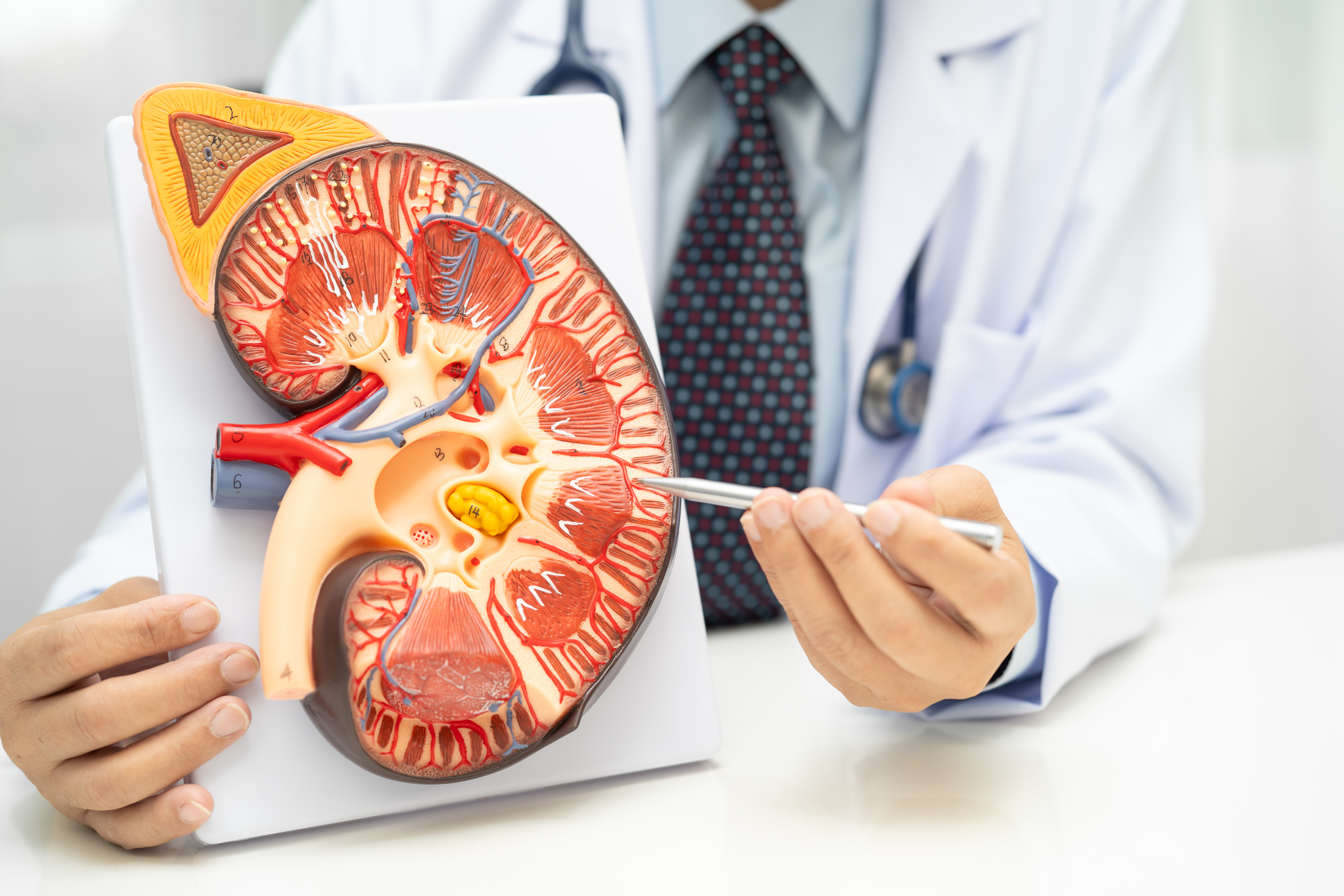
Kidney stones are hard lumps that form in your kidneys. They develop when minerals and salts stick together in your urine. Often, these stones can cause pain when they move through your urinary tract. Because kidney stones are common, it is important to know what causes them. Understanding the risk factors for kidney stones can help you take steps to prevent them.
Main Risk Factors for Kidney Stones
Several things can increase your chance of getting kidney stones. While some risk factors are out of your control, others can be managed. For example, your family history or certain health conditions may raise your risk. However, your daily habits also play a big role. Here are the main risk factors for kidney stones:
How Lifestyle and Diet Influence Risk
Your daily choices can affect your risk of kidney stones. For instance, drinking too little water makes your urine more concentrated. This can help stones form. In addition, eating foods high in salt or sugar can increase your risk. Animal proteins, like red meat, can also raise the chance of stones. On the other hand, a balanced diet and healthy habits can help with kidney stone prevention.
Here are some ways lifestyle and diet influence risk:
Who Is Most at Risk?
Some people have a higher chance of developing kidney stones. For example, men are more likely than women to get them. People between ages 30 and 60 are also at higher risk. If you have a family member with kidney stones, your risk goes up. In addition, certain health problems, like diabetes or high blood pressure, can increase your risk. Even where you live matters, since hot climates can cause dehydration.
Prevention Tips
Thankfully, you can take steps to reduce your risk of kidney stones. Simple changes in your daily routine can make a big difference. Here are some kidney stone prevention tips:
When to See a Doctor
Sometimes, kidney stones can cause severe pain or other problems. If you have pain in your back or side, blood in your urine, or trouble urinating, you should seek medical help. In some cases, fever or chills may mean you have an infection. Because early treatment can prevent complications, do not wait to see a doctor if you have these symptoms.
In summary, knowing the risk factors for kidney stones can help you make healthier lifestyle choices and reduce your risk over time.
For personalized guidance on kidney stone prevention, consider consulting a urologist. You can book a consultation with Dr. Raghavendra Kulkarni to receive expert advice tailored to your health needs and help prevent future complications.